
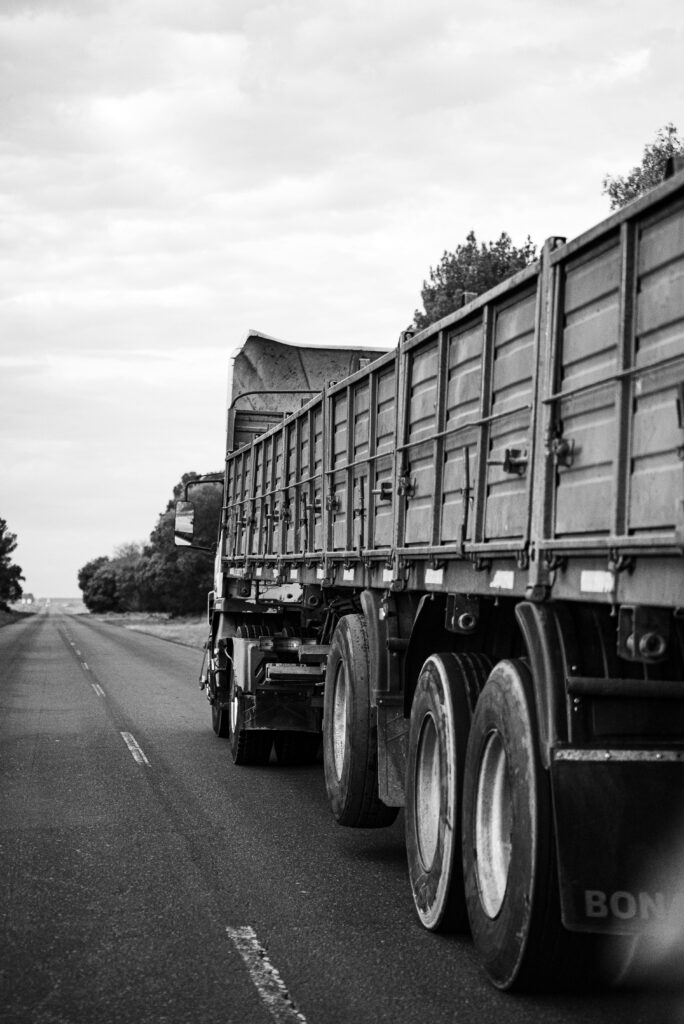
Truck insurance is a critical investment for commercial vehicle operators, owner-operators, and trucking companies across the United States. Whether you’re hauling freight across state lines or operating locally, comprehensive truck insurance coverage protects your business from potentially devastating financial losses. This comprehensive guide explores everything you need to know about commercial truck insurance, helping you make informed decisions about protecting your valuable assets.
Understanding Truck Insurance: More Than Basic Auto Coverage
Truck insurance differs significantly from standard auto insurance due to the unique risks associated with commercial trucking operations. Commercial trucks are larger, more valuable, and face greater liability exposure than personal vehicles. The Federal Motor Carrier Safety Administration (FMCSA) mandates minimum insurance requirements for commercial trucks, making proper coverage not just wise but legally required.
The trucking industry generates over $700 billion annually in the United States, with millions of commercial trucks operating on American highways. This massive industry requires specialized insurance products designed to address the specific challenges faced by truck drivers and fleet operators.
Essential Types of Truck Insurance Coverage
Primary Liability Insurance
Primary liability insurance is the foundation of any truck insurance policy. This coverage protects against damages and injuries caused to others in accidents involving your commercial truck. FMCSA requires minimum coverage amounts ranging from $750,000 to $5 million, depending on the type of cargo transported and operational radius.
For trucking companies handling hazardous materials, liability requirements can reach $5 million or more. Even non-hazardous freight typically requires $1 million in liability coverage for interstate operations. This substantial coverage protects against costly lawsuits and medical expenses that could otherwise bankrupt a trucking business.
Physical Damage Coverage
Physical damage insurance protects your truck and trailer against collision, comprehensive, and specified perils coverage. Given that commercial trucks can cost $150,000 to $200,000 or more, physical damage coverage represents crucial financial protection for your equipment investment.
Collision coverage handles repairs or replacement costs when your truck is damaged in accidents, while comprehensive coverage protects against theft, vandalism, weather damage, and other non-collision incidents. Many lenders require physical damage coverage for financed vehicles.
Cargo Insurance
Cargo insurance protects the freight you’re transporting, covering financial losses if cargo is damaged, stolen, or destroyed during transit. While motor carriers have some legal liability for cargo, dedicated cargo insurance provides broader protection and higher coverage limits.
Cargo insurance premiums vary based on commodity type, with electronics and high-value goods typically costing more to insure than general freight. This coverage protects both your business reputation and financial stability when cargo claims arise.
Non-Trucking Liability Insurance
Also known as bobtail insurance, non-trucking liability provides coverage when driving your truck for non-business purposes or between loads without a trailer. This gap coverage ensures you’re protected during deadhead miles and personal use of your commercial vehicle.
Factors Affecting Truck Insurance Costs
Driver Experience and Safety Record
Insurance companies heavily weight driver experience and safety records when calculating truck insurance premiums. Experienced drivers with clean driving records receive significantly lower rates than new drivers or those with accidents and violations. Commercial Driver’s License (CDL) training and additional safety certifications can help reduce insurance costs.
Vehicle Type and Value
The type of truck, its age, value, and safety features directly impact insurance premiums. Newer trucks with advanced safety systems like collision avoidance technology, electronic logging devices, and stability control systems often qualify for insurance discounts.
Operational Radius and Routes
Where and how far you drive affects insurance costs. Local delivery operations typically face lower premiums than long-haul interstate trucking. Routes through high-crime areas or regions with severe weather patterns may result in higher comprehensive coverage costs.
Cargo Type and Value
The type of freight you transport significantly impacts insurance costs. Hauling hazardous materials, high-value electronics, or specialized equipment requires higher coverage limits and results in increased premiums compared to general freight operations.
Choosing the Right Insurance Provider
Specialized Commercial Truck Insurers
Working with insurance companies that specialize in commercial trucking provides several advantages. These insurers understand the unique risks facing truckers and offer tailored coverage options, competitive rates, and specialized claim handling expertise.
Many trucking-focused insurers offer additional services like safety programs, driver training resources, and fleet management tools that can help reduce risks and potentially lower premiums over time.
Comparing Quotes and Coverage Options
Shopping around for truck insurance quotes is essential for finding the best rates and coverage. Obtain quotes from multiple insurers, comparing not just premiums but coverage limits, deductibles, and policy terms. Consider working with independent agents who can access multiple insurance companies.
Cost-Saving Strategies for Truck Insurance
Safety Programs and Driver Training
Implementing comprehensive safety programs demonstrates your commitment to risk reduction, which insurers reward with lower premiums. Investment in driver training, safety meetings, and vehicle maintenance programs can significantly reduce insurance costs over time.
Higher Deductibles
Choosing higher deductibles can substantially reduce insurance premiums. However, ensure you can afford the deductible amount if a claim occurs. Many successful trucking operations maintain emergency funds to cover higher deductibles while benefiting from lower monthly premiums.
Fleet Discounts and Package Policies
Operating multiple trucks may qualify you for fleet discounts. Bundling different types of coverage with the same insurer often results in package discounts that reduce overall insurance costs.
Technology and Telematics
Installing telematics devices, dash cameras, and electronic logging devices can qualify you for insurance discounts while improving safety and operational efficiency. These technologies help insurers assess risk more accurately and reward safe driving behaviors.
Understanding Truck Insurance Claims
Immediate Steps After an Accident
Knowing how to handle truck accidents properly protects your insurance interests and ensures smooth claims processing. Document the scene thoroughly, obtain police reports, gather witness information, and notify your insurance company immediately.
Working with Adjusters
Commercial truck claims often involve substantial damages and complex liability issues. Understanding the claims process and working effectively with insurance adjusters helps ensure fair settlements and faster claim resolution.
Regulatory Compliance and Insurance Requirements
FMCSA Filing Requirements
Commercial truck operators must file appropriate insurance documents with the FMCSA and maintain continuous coverage. Lapses in coverage can result in penalties, operating authority suspension, and significant business disruption.
State-Specific Requirements
While federal regulations establish minimum requirements, individual states may impose additional insurance requirements or regulations. Understanding both federal and state requirements ensures full compliance and protects your operating privileges.
The Future of Truck Insurance
Technology Integration
Advanced driver assistance systems, autonomous vehicle technology, and improved data analytics are reshaping truck insurance. These innovations promise to enhance safety, reduce claims, and potentially lower insurance costs for early adopters.
Usage-Based Insurance Models
Pay-per-mile and behavior-based insurance models are gaining traction in commercial trucking, offering more precise risk assessment and potentially lower costs for safe, efficient operators.
Conclusion: Protecting Your Trucking Investment
Truck insurance represents a significant operating expense but provides essential protection for your business investment. By understanding coverage options, comparing providers, implementing safety programs, and working with specialized insurers, you can secure comprehensive protection while managing costs effectively.
The trucking industry’s importance to the American economy continues growing, making proper insurance coverage more critical than ever. Whether you’re an owner-operator starting your first truck or managing a large fleet, investing in appropriate truck insurance coverage protects your business, your drivers, and your financial future.
Take time to review your current coverage, compare options from multiple providers, and consider how changing regulations and technology might affect your insurance needs. With proper planning and the right insurance partner, you can focus on what matters most: operating safely and profitably in America’s vital trucking industry.